
"60 million bags"
300 article(s) found

Guatemala Coffee Market develops steadily how is Guatemala's Arabica coffee beans exported
According to a recent report by the U.S. Department of Agriculture's overseas Service (Foreign Agricultural Service), the 2020 Agricultural Marketing year (marketing year) predicted that the Guatemalan coffee harvest this year and cultivation next year had been completed, unaffected by the novel coronavirus epidemic. Calculated on the basis of a bag of raw coffee beans weighing 60 kg, the output in 2020 is estimated to be 3.67 million bags, which is higher than that of

Arabica coffee beans expensive?| Starbucks Arabica coffee beans are what kind of good to drink?
Weixin Official Accounts cafe_style According to Reuters survey results, survey participants expect a median global coffee deficit of 1 million bags (60 kilograms per bag) in 2019/20, compared with a surplus of 4.25 million bags in the just-concluded 2018/19 year. Tight global supplies are expected to keep Arab.

Costa Rica Tarazu Diamond Villa washing SHB Kaddura
Costa Rican coffee plants were imported from Cuba in 1779 and exported for the first time in 1820. There are now about 32000 coffee farmers, with an average of less than 10000 yuan per farmer. Costa Rica has a population of 410 million (2006), an active coffee planting area of 82500 square meters, an annual output of 1.7 million bags (60kgs per bag), and an annual consumption of 38 million bags in China.

Due to the shortage of containers, Vietnamese coffee exports fell by 17.6% in January compared with the same period last year.
For more information on coffee beans, please follow the coffee workshop (Wechat official account cafe_style) Vietnam is the world's largest producer of Robbosa beans. Vietnam's coffee exports fell 17.6 percent in January from a year earlier to 120000 tons, equivalent to 2 million bags (60 kilograms per bag), according to the General Administration of Statistics (GSO) on January 29. It is estimated that this month, Robes, Vietnam

Coffee exports from Honduras fell 18 per cent in January 2021 Central American coffee exports are forecast to fall by 10.7 per cent
Professional coffee knowledge exchange more coffee bean information please pay attention to the coffee workshop (Wechat official account cafe_style) the Honduran National Institute (IHCAFE) last year originally expected Honduran coffee export volume of 6.3 million bags (60 kg / bag) in 2020 Universe 21. But in November 2020, Hurricanes ETA and LOTA both hit, causing damage to coffee trees in Honduras, while also
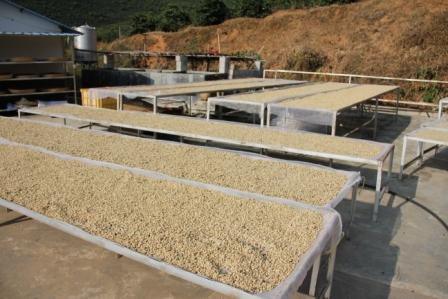
Costa Rican boutique coffee beans Costa Rica Tarazu Diamond Villa washing SHB Kaddura
Costa Rican coffee plants were imported from Cuba in 1779 and exported for the first time in 1820. There are now about 32000 coffee farmers, with an average of less than 10000 yuan per farmer. Costa Rica has a population of 410 million (2006), an active coffee planting area of 82500 square meters, an annual output of 1.7 million bags (60kgs per bag), and an annual consumption of 38 million bags in China.
Vietnam: surpassing Brazil to become the world's largest coffee exporter
According to Taiwan's Central News Agency, according to the International Coffee Organization (ICO), Vietnam exported 14.32 million 5000 bags of raw coffee beans (60 kilograms per bag) in the first six months of this year, 13.63 percent higher than that of Brazil, making it the world's largest coffee exporter. Statistics from Vietnam's General Administration of Customs show that in the first half of this year, the country's coffee exports reached 1.04 million tons, with an export value of 2.12 billion US dollars.

Costa Rica Tara Pearl Diamond Mountain Manor imported boutique coffee beans with balanced flavor
Costa Rican coffee plants were imported from Cuba in 1779 and exported for the first time in 1820. There are now about 32000 coffee farmers, with an average of less than 10000 yuan per farmer. Costa Rica has a population of 410 million (2006), an active coffee planting area of 82500 square meters, an annual output of 1.7 million bags (60kgs per bag), and an annual consumption of 38 million bags in China.
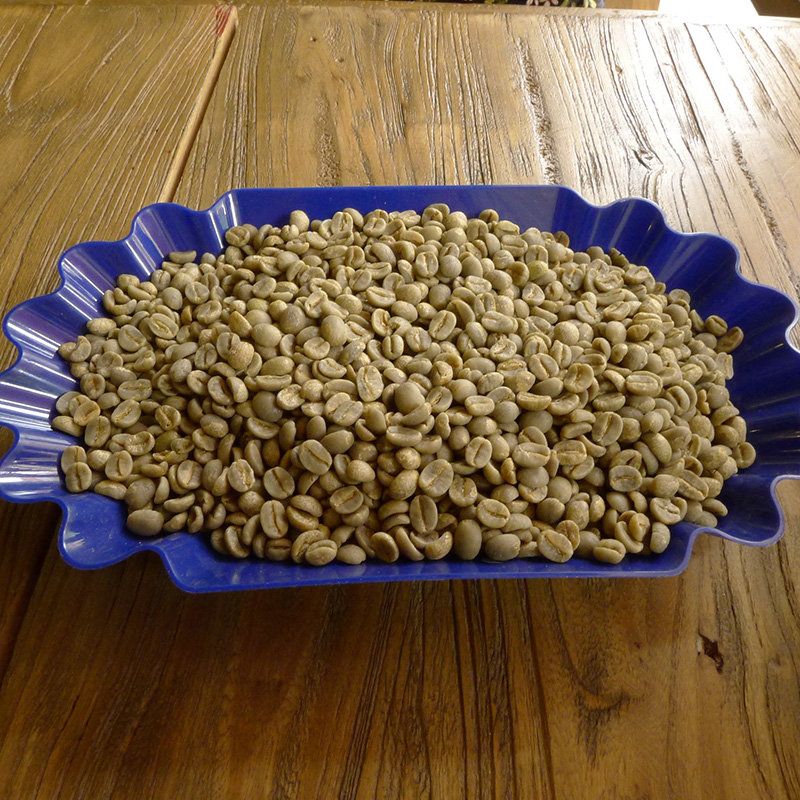
What are washed beans? Costa Rica Tara Pearl Diamond Villa washing SHB Kaddura seed beans
Costa Rican coffee plants were imported from Cuba in 1779 and exported for the first time in 1820. There are now about 32000 coffee farmers, with an average of less than 10000 yuan per farmer. Costa Rica has a population of 410 million (2006), an active coffee planting area of 82500 square meters, an annual output of 1.7 million bags (60kgs per bag), and an annual consumption of 38 million bags in China.

China Coffee Network recommends Costa Rica's Tarazu Diamond Villa Park to wash SHB Kaddura American Cafe.
Costa Rican coffee plants were imported from Cuba in 1779 and exported for the first time in 1820. There are now about 32000 coffee farmers, with an average of less than 10000 yuan per farmer. Costa Rica has a population of 410 million (2006), an active coffee planting area of 82500 square meters, an annual output of 1.7 million bags (60kgs per bag), and an annual consumption of 38 million bags in China.
Costa Rican coffee flavor Central and South American coffee characteristics Tara Pearl Diamond Villa washing SHB card
Costa Rican coffee plants were imported from Cuba in 1779 and exported for the first time in 1820. There are now about 32000 coffee farmers, with an average of less than 10000 yuan per farmer. Costa Rica has a population of 410 million (2006), an active coffee planting area of 82500 square meters, an annual output of 1.7 million bags (60kgs per bag), and an annual consumption of 38 million bags in China.
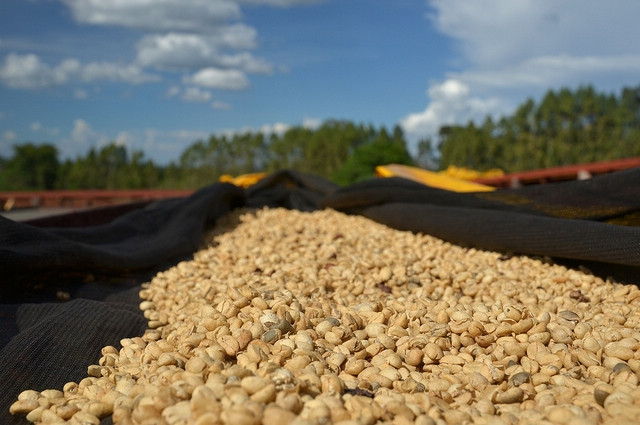
The coffee network recommends that Costa Rica's Tara Pearl Diamond Villa wash SHB Kaddura boutique coffee beans.
Costa Rican coffee plants were imported from Cuba in 1779 and exported for the first time in 1820. There are now about 32000 coffee farmers, with an average of less than 10000 yuan per farmer. Costa Rica has a population of 410 million (2006), an active coffee planting area of 82500 square meters, an annual output of 1.7 million bags (60kgs per bag), and an annual consumption of 38 million bags in China.
Coffee beans and countries
Central American Mexican coffee is mainly concentrated in Chabas, Oaxaca, Veracruz, Puebla, Guerrero, Idarco, San Luis, Puerto Rico. The annual production is about 5 million bags, which is the main source of agricultural income. Mexican coffee beans are large in size and produce coffee that is soft, mellow and aromatic. Coffee color is light, acidity is large, most of them grow under natural conditions, do not make

Coffee bean exports plunged 33.7% in July compared with the same period last year.
Coffee bean exports plummeted in July, according to figures released on Aug. 11 by the Brazilian Coffee Export Association, coffee bean exports plunged 33.7% in July from a year earlier to 1.9 million bags (1 bag = 60kg), mainly due to low stocks and the lack of newly harvested coffee beans to catch up with exports. Affected by this, the price of international coffee futures has increased slightly. On August 16, the price of the American coffee futures contract reached a high of 137 on that day.
Basic knowledge of Coffee Coffee beans and countries
Mexican coffee from Central America and Mexico is mainly concentrated in Chabas, Oaxaca, Veracruz, Puebla, Guerrero, Hidalco, St. Lewis and Porto. The annual output is about 5 million bags, which is the main source of income for agricultural products. Mexican coffee beans have large particles, and the coffee produced is smooth, mellow and fragrant. Coffee has a light color and high acidity, and most of them grow under natural conditions.
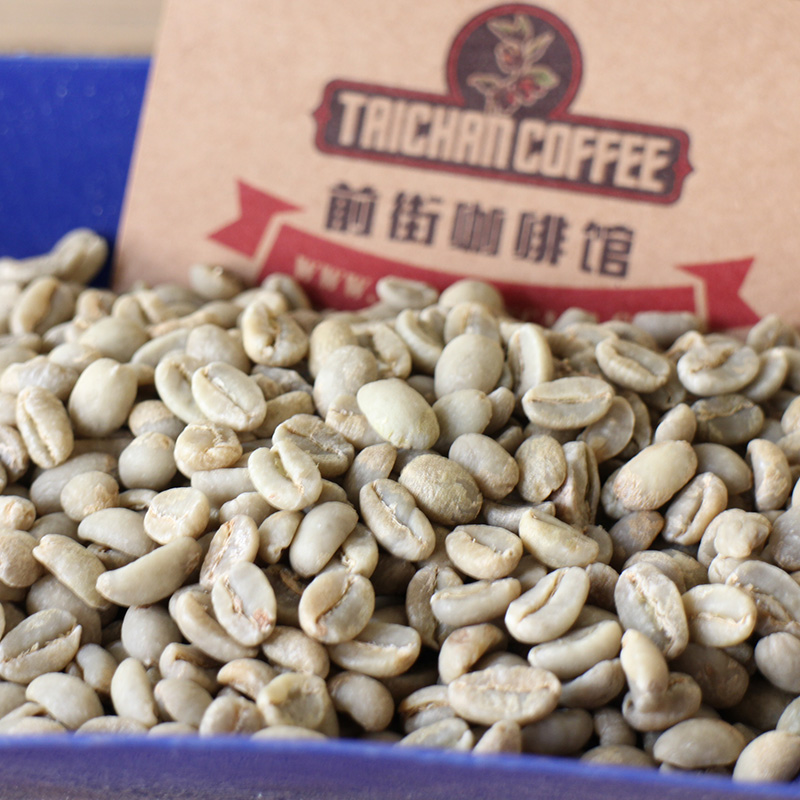
Raw Bean Price Costa Rica Tara Pearl Diamond Hill Manor Wash SHB Kadura Fine Coffee Raw
Coffee cultivation in Costa Rica was introduced from Cuba in 1779 and exported for the first time in 1820. There are about 32,000 coffee farmers in Costa Rica, with an average cultivation area of less than one hectare (10,000 m2) per farmer. Costa Rica has a population of 4.1 million (2006), 82,500 hectares of coffee cultivation, an annual production of 1.7 million bags (60kgs per bag), and an annual domestic consumption of 380,000 bags.

The price of Arabica coffee beans may rise by 20% at the end of 2018 due to the severe drought in Brazil, a big coffee bean producer.
Professional coffee knowledge exchange more coffee bean information Please follow the coffee workshop (Wechat official account cafe_style) under the influence of drought in Brazil, a big producer of Arabica coffee beans, and exchange rate fluctuations in Brazil, Arabica coffee bean futures are expected to jump nearly 21% by the end of this year. Traders and analysts polled by Reuters predict that Intercontinental Exchange (ICE)

Introduction of Costa Rican Coffee season treated with Honey from a New Micro-processing Plant in Costa Rica
Costa Rican coffee cultivation was introduced by Cuba in 1779 and exported for the first time in 1820. There are about 32000 coffee farmers, with an average planting area of less than one hectare per farmer. Costa Rica has a population of 4.1 million (2006), with a coffee planting area of 82500 hectares, annual production of 1.7 million bags (60kgs per bag) and annual domestic consumption of 380000 bags. It is understood that

The relationship between coffee beans and countries in the producing area of high-quality coffee beans
Mexican coffee from Central America and Mexico is mainly concentrated in Chabas, Oaxaca, Veracruz, Puebla, Guerrero, Hidalco, St. Lewis and Porto. The annual output is about 5 million bags, which is the main source of income for agricultural products. Mexican coffee beans have large particles, and the coffee produced is smooth, mellow and fragrant. Coffee has a light color and high acidity, and most of them grow under natural conditions.